Nobody prepares you for the supermarket. You can be completely fine, then find yourself in front of a shelf of biscuits, the ones they always liked, and suddenly you’re not fine at all. You’re standing in aisle seven, trying to decide whether to cry or just put the biscuits in the trolley anyway.
You usually put the biscuits in the trolley.
Grief isn’t much like it looks in films. There’s less quiet weeping at gravesides, and more of this: messy, ordinary and oddly timed. It turns up uninvited, often at the worst moment, and makes itself at home.
The moments that catch you off guard
Everyone warns you about the big days: the first birthday, the first Christmas, the first anniversary. Those can be very hard. But what catches a lot of people off guard is the ordinary days. An unremarkable Wednesday morning. The moment you pick up your phone to tell them something funny, and remember, again, that you can’t.
For many people, that small reflex is one of the hardest parts.
Then there’s the guilt, which doesn’t get talked about enough. You can feel guilty for having a good day, or for laughing at something. You can feel guilty for going three hours without thinking about them, and then noticing, as if forgetting for a moment were a kind of betrayal.
It isn’t. You’re allowed to have good days and to laugh. You’re allowed to go three hours, or three days, without being overwhelmed by it. That isn’t forgetting them. It’s how people keep going.
How other people handle it
Most people don’t know what to say. You’ve probably already heard something awkward: something meant kindly that landed wrong, or that made you feel your grief had a time limit.
“At least they’re not suffering.” “They’d want you to be happy.” “Time heals.” These are nearly always said with love, but they can be very hard to hear.
Often, the people who help most say the least. They turn up, sit with you and don’t try to fix it, because they know it can’t be fixed. What they offer instead is company: someone willing to stay with you in the hard part, rather than trying to hurry you out of it.
The parts that don’t have names
There’s the moment you hear good news, the kind you’d have told them first, and for a split second you think about ringing them before you remember.
There are dreams where they’re still alive, and the moment of waking when the loss arrives all over again. Some people find these dreams painful. Others find them the closest thing to comfort they have. Many find they’re both.
And there’s the grief that comes back years later, sometimes in a form you don’t recognise. A milestone they won’t see. A grandchild they’ll never meet. A version of you they’d have been proud of, and the ache of not being able to show them.
That kind doesn’t really go away. Over time, it becomes part of you.
Getting through it
People talk about getting through grief, as if there’s a far side to reach. For most people, it’s more like carrying it forward. You build a life that has the loss in it, rather than one where the loss has been fixed or left behind.
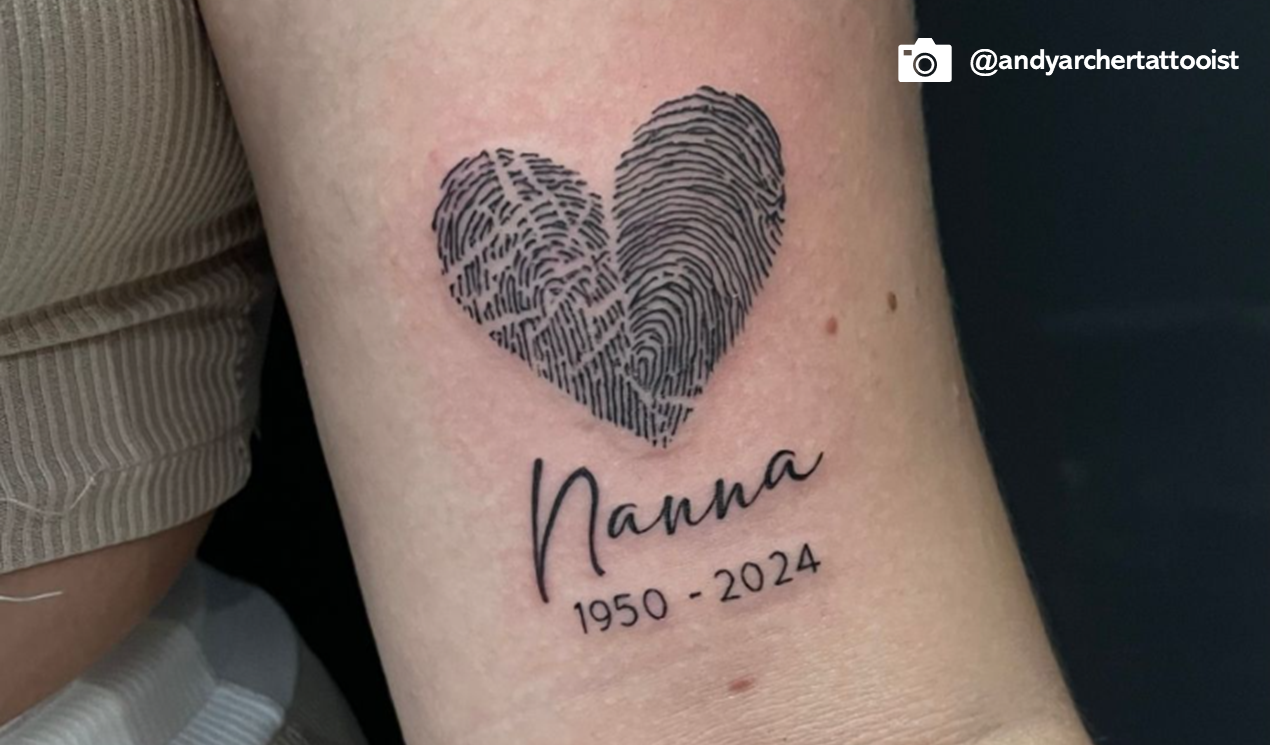
Many people find it helps to have somewhere to put it: a ritual, a place, something to return to when they need to. Not to dwell, but to remember, and to say quietly: I still love you. I still think about you. You still matter.
Grief hurts because the love was real, and that love doesn’t stop when someone dies. Learning to live with grief is mostly about finding ways to keep that love going.
If you’re in the middle of this right now, we hope the bridge can be one of those places. A candle with their name on it stays lit permanently, and you can come back to it whenever you need to.